Zuleta
2024-2025. Second Residency in Genre Narrative: Dolores Cacuango
In the highlands of Zuleta, where memory and resistance are woven into every thread, the second edition of the Gender Narrative Residency "Dolores Cacuango" brings together women and photographers to tell stories that time cannot erase. Through art and photography, these voices make visible struggles, knowledge, and transforming territories. This project is a meeting of identity, community, and collective creation. Discover how these stories become images that inspire, question, and endure.
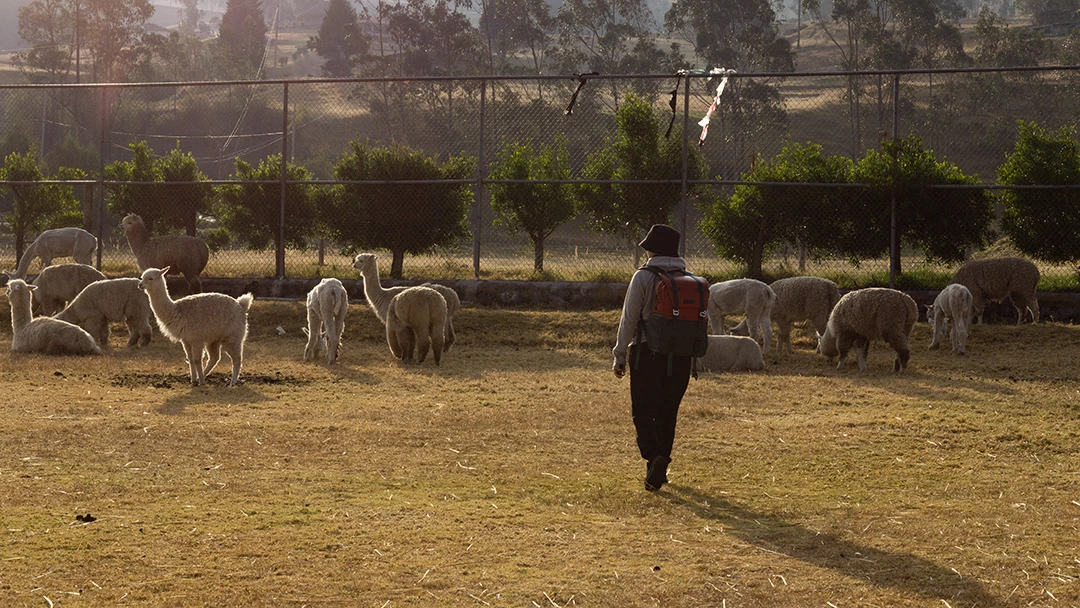
Zuleta, an ancient enclave in the highlands of the province of Imbabura, is a territory where the memory, tradition, and resilience of its communities intertwine with the high landscapes. Its women embroiderers are guardians of ancestral knowledge passed down from generation to generation, and in each textile, they reflect identity, worldview, syncretism, and resistance.
Life in Zuleta is marked by the close relationship between the community and the highland ecosystems: their agricultural work, textile art, and cultural practices form an integral framework in which care for the land and historical continuity are inseparable. However, these communities face growing challenges: pressure on their lands from extractive projects, monocultures, climate change that alters agricultural production, and the vulnerability of their rights in the face of policies that do not recognize their visions or ancestral knowledge.
Zuleta is much more than a simple geographic node; it is a magical town that stands on the ambivalence of its virtues, its cultural wealth, and its inequalities, thanks to the sisterhood, creativity, and strength of its women.
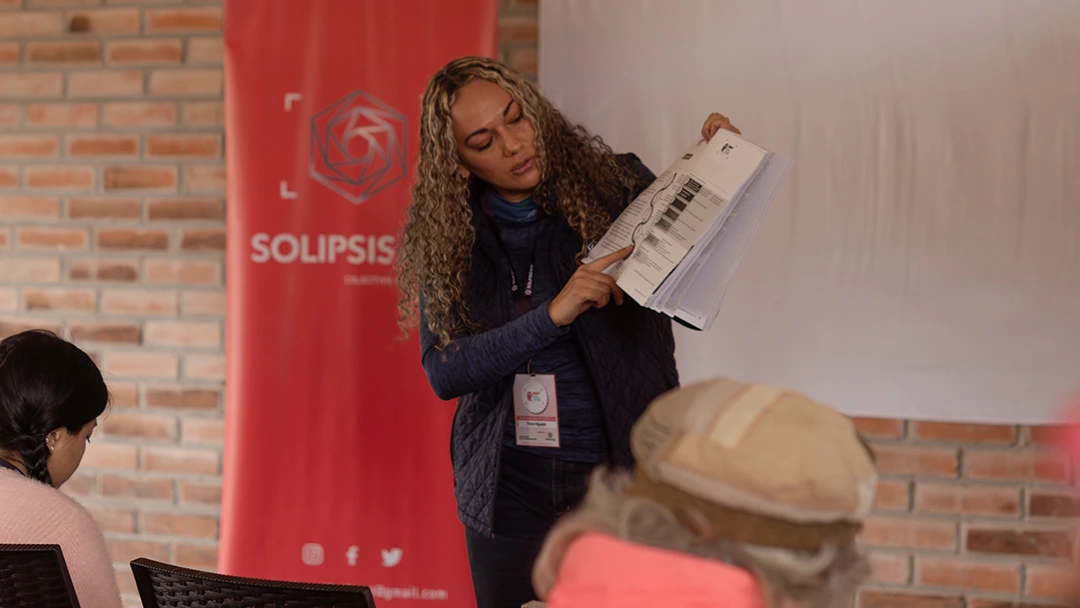
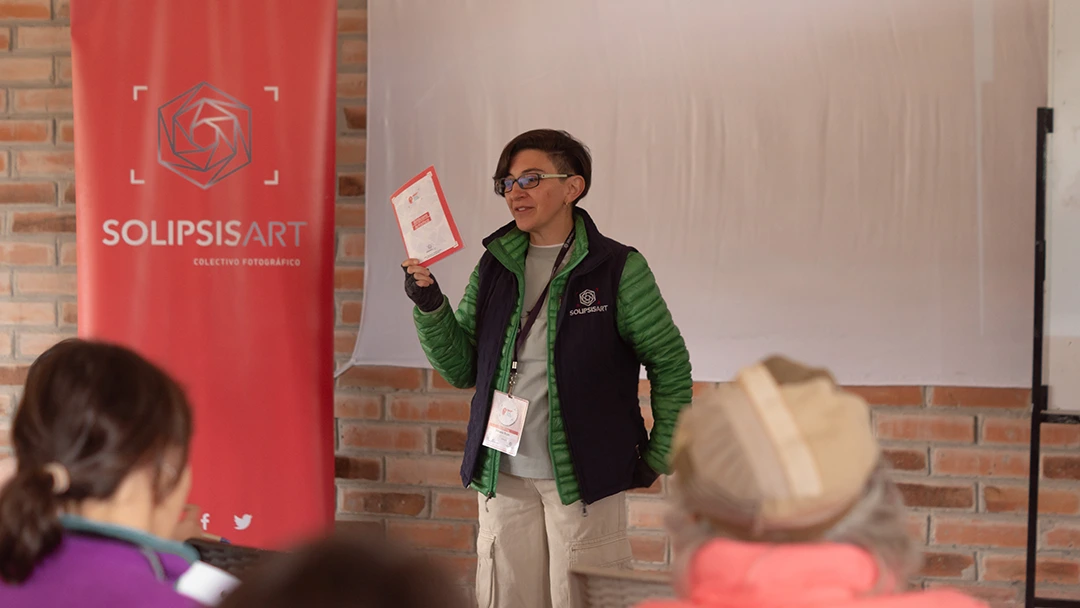
The Dolores Cacuango Photographic Residency uses documentary and artistic photography as a tool for memory, advocacy, and social transformation. Through images, rural women and participating photographers narrate stories from their own experiences and territories, highlighting struggles, knowledge, achievements, and challenges that have historically been made invisible. The residency recognizes the central role of rural women in the transmission of ancestral knowledge, the preservation of territory, and the construction of community identity, promoting an intercultural and respectful dialogue with the involved communities.
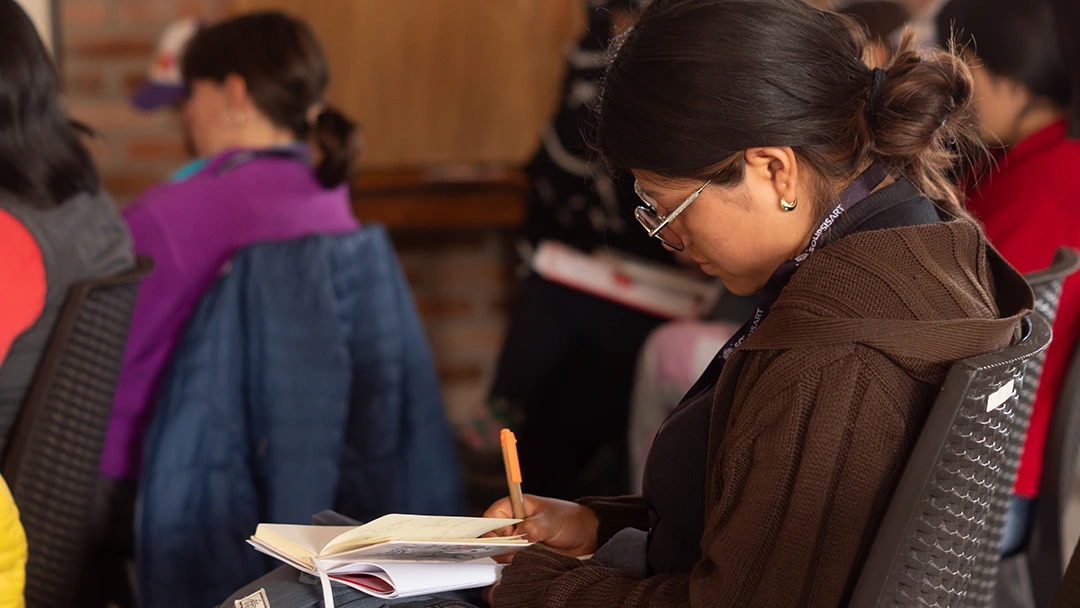
The project is based on immersion in the territory and experiential learning, where photography becomes a language of empowerment, reflection, and collective creation. Participants develop projects that articulate gender, memory, environment, and culture, generating diverse representations that reframe the perspective on rural women and their relationship with the territory. This process fosters the construction of a visual memory, cooperation between photographers and communities, and the production of works that transcend the moment of their creation, such as exhibitions and photo books that perpetuate the documented stories and experiences.
The residency also prioritizes a reciprocal return approach with the community, strengthening the capacities and autonomy of women. Through workshops on photographic techniques, social media management, and visual production, the visibility of their projects and ventures is promoted, generating a tangible impact on their daily lives. This approach allows for the consolidation of the relationship between art, territory, and community, fostering the collective construction of knowledge, active participation, and the development of visual strategies that empower and transform the involved communities.
Resident photographers
Ecuador
Anay Pillajo
Alejandra Rea
Mónica Almeida
Kerly Meneses
Carol Cortéz
Alejandra Chuquiguanga
Colombia
Jenniffer Amonacid
Daniela Enríquez
Catalina López
Argentina
Gigi Cámara
Dominican Republic
Iris Martínez
Spain
Aitana López
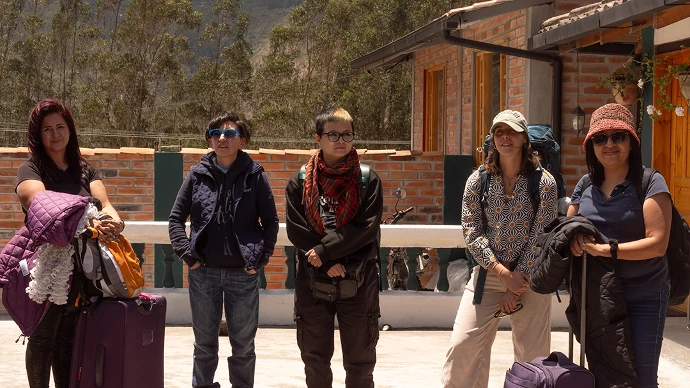
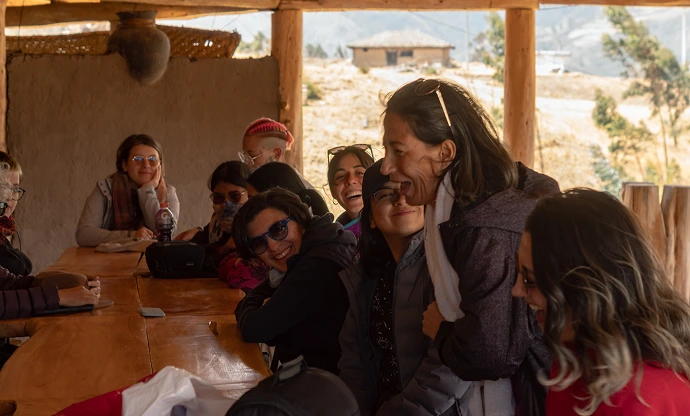
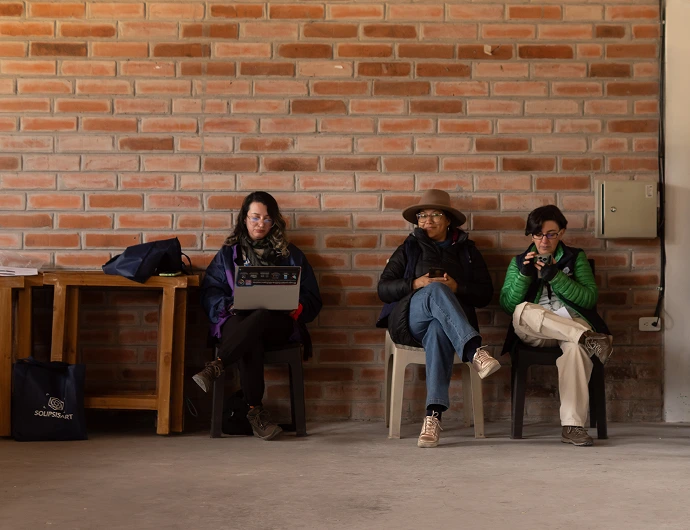
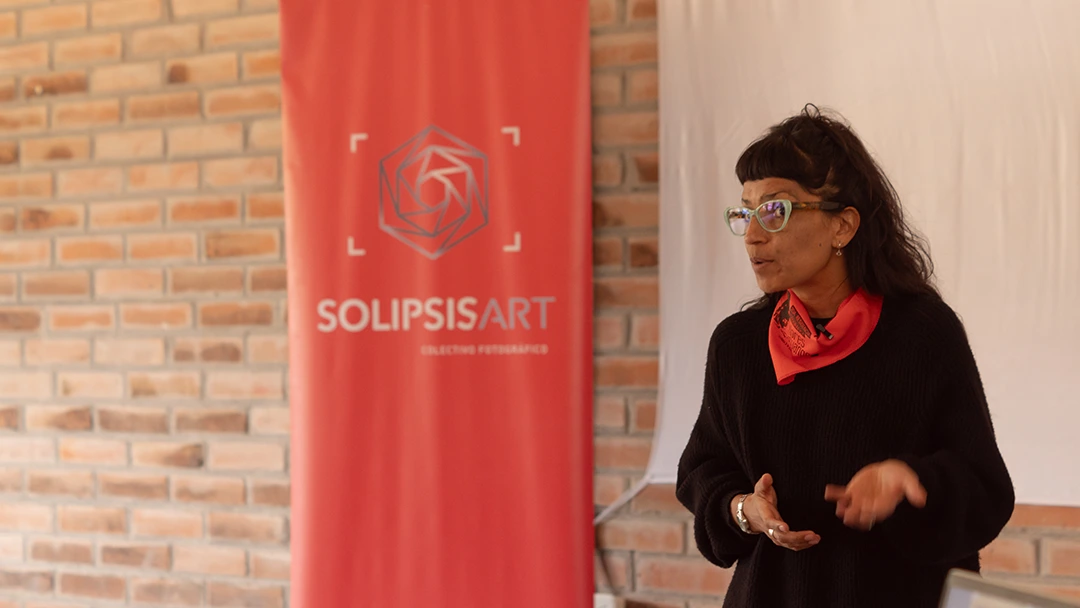
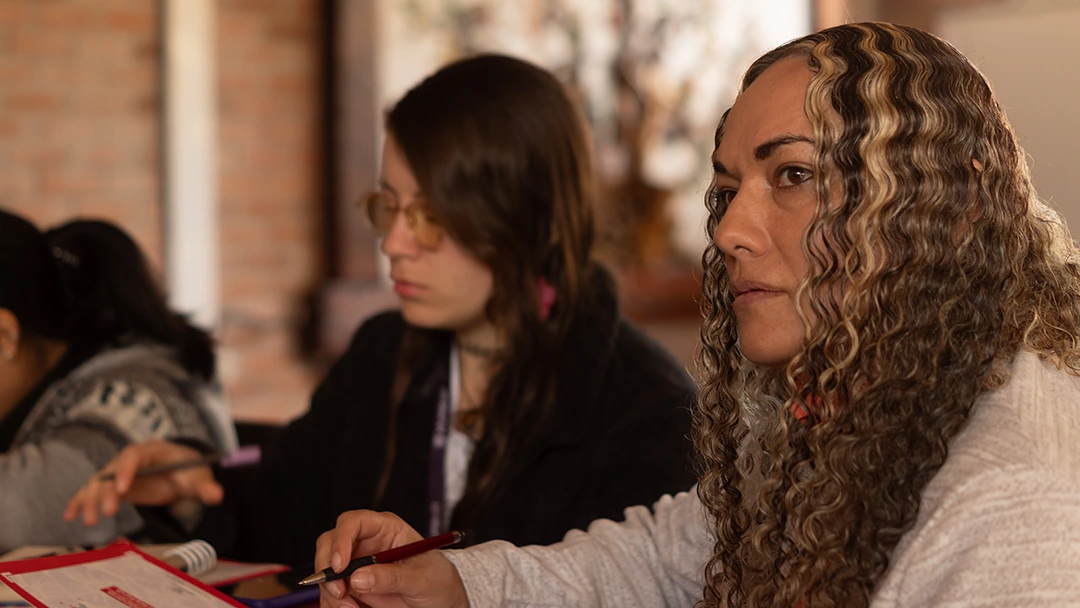
As tangible results of the first edition, the exhibition Sisay Warmi (“Strong and beautiful woman” in Kichwa) was held, which was presented in different spaces:
Ecuador
Zuleta: Business center
Alausí: Train station
Quito: Spanish Cultural Center
Argentina
Mar del Plata:
USA
Asheville NC.
France
Paris. Expo Imagination 2026
In addition, the photo book was publishedSumak Warmi (Catarsis Editorial)and a testimonial video of the process was made. The residency had media coverage at all stages, from execution to dissemination of its results, ensuring visibility and reach of the stories of the participating women.
Special thanks to:
Women of Zuleta: Liliana Carlosama, Martina Carlosama, Carmita Colimba, Renata Yánez Velastegui, Carmen Sandoval Carlosama, Inés Lechón, Margarita Carlosama, Susana Alvear, Juanita Alvear, Susana Cañejero, Marcelina Carlosama, Virginia Sandoval, Pastora Carlosama Sandoval, Aida Sandoval Carlosama, Elvia Chachalo, Marisol Chachalo, María Rosa Colimba, Amada Díaz, Olga Sandoval, Estefany Benítez, Aida Cartagena, Mayra Perugachi.
Fernanda Patiño (Colombia), Vilena Figueira (Venezuela), Wara Vargas Lara (Bolivia), Paula Parrini, Ximena Troya Salinas and Claudia Ramón Armijos, Jess Sarabia Tapia and Javier Higuera, Patricio Ortíz, Boris Jaramillo and Cristina Chamba Carvajal.
Agroindustrial Association and Expo Zuleta Association, Amable Chachalo (Casa Museo Carangue), José María Pumisacho (Hospedaje Carmita), Photographers in the World (Argentina), The Coconut Ice Cream Coqueiros, Juan Chachalo, Association of Embroiderers and Artisans of Zuleta, Cabildo of Zuleta, Studio593 Strategic Communication, Wasikamak, Peek a Boo Photography Studio, Unilever Ecuador, PCD Art and Design, Moai – International, Catarsis Editorial, Dante Communication - Advertising.