Cangahua
2022-2023. First Residency in Gender Narrative Dolores Cacuango
The Gender Narrative Residency "Dolores Cacuango" (Cangahua 2022-23) combines photography, territory, and a feminine perspective to highlight the strength of rural women. Individual and collective stories transform into tools for reflection, memory, and social change. With exhibitions, a photo book, and a testimonial video, the project showcases the legacy of leaders like Mama Dulu and promotes intercultural and artistic dialogue.
The global COVID-19 pandemic strained healthcare systems, exposed humanity’s vulnerability, and confined us to lockdown. As a collective, we reflected on the values, actions, people, and organizations that sustained society during the crisis. Art then emerged as a generous strategy for resilience, a tool for rethinking ourselves, transforming our experience, and overcoming this life-changing ordeal.
In Ecuador, as in much of the world, rural women ensured food security during and after the lockdown, guaranteeing sustained and reliable access to food. Over the past few decades, these women have also established themselves as guardians of nature, protecting ecosystems and helping to mitigate the climate crisis, despite being overlooked and stigmatized by society.
Based on photo art as an antidote to oblivion and as a strategy to highlight the importance of rural women, we designed the “Dolores Cacuango” Gender Narrative Residency: a platform for training, intercultural dialogue, and the promotion of emerging female photographers, in line with our mission and socio-cultural commitment.
The residency took place in the rural community of Cangahua, in the highlands of the Cayambe canton, Pichincha province. This is an ancient territory inhabited by warrior and brave women, such as the indigenous leaders Mama "Dulu" and Tránsito Amaguaña.
Cangahua, the oldest parish in Ecuador, has a marked agricultural vocation, with limited livestock due to the irregularity of the terrain. Its climate, with temperatures ranging between 4 ºC and 8 ºC, makes it especially suitable for floriculture. The majority of its population is indigenous (84%), composed of kayambis, Sierra kichwas, kitukaras, otavalos, and salasacas. These different ethnic groups develop their lives and productive activities distributed across 61 neighborhoods and communes, maintaining traditions, knowledge, and community practices that span generations.
Resident Photographers
Alejandra Romero
Claudia Ramón
Cristina Chamba
Daniela Orozco
Grace Benalcázar
Ivone Flores
Jessie Izurieta
Katherine Calles
Leonor Martínez
Marcela Zapata
Paola Mendoza
Viviana Toapanta
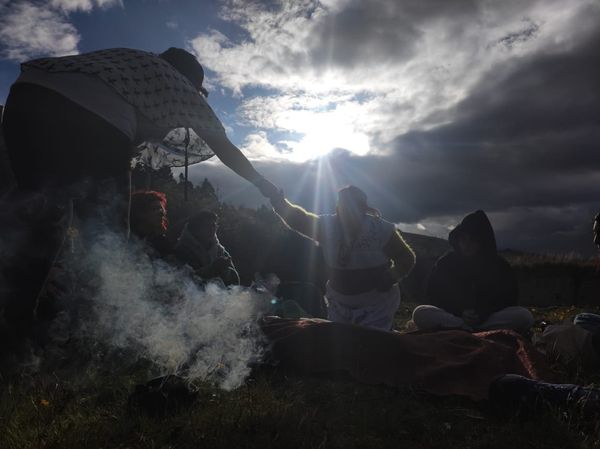
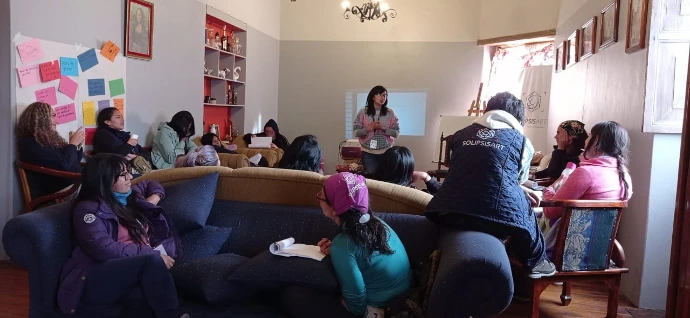
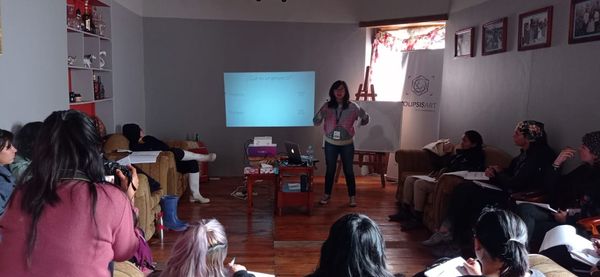
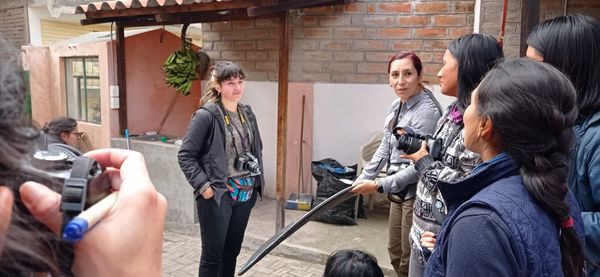
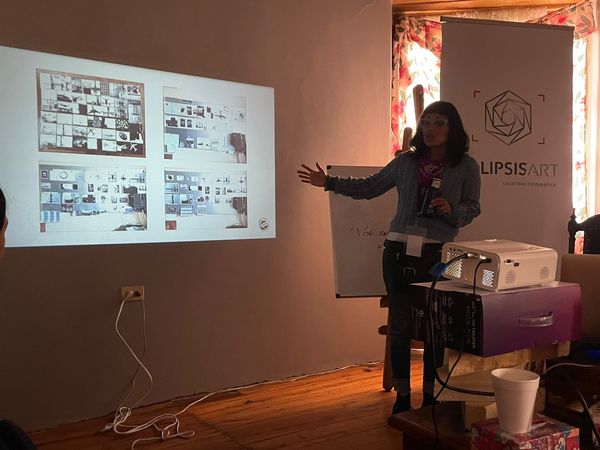
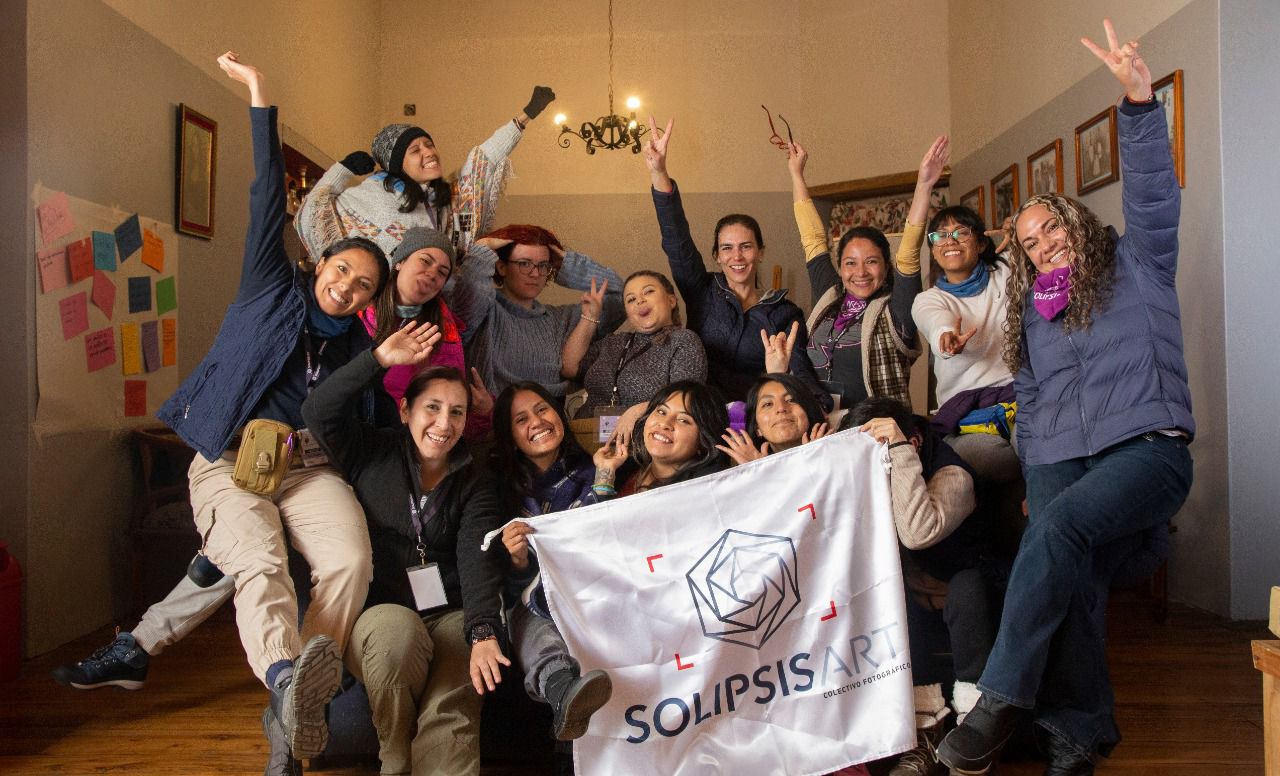
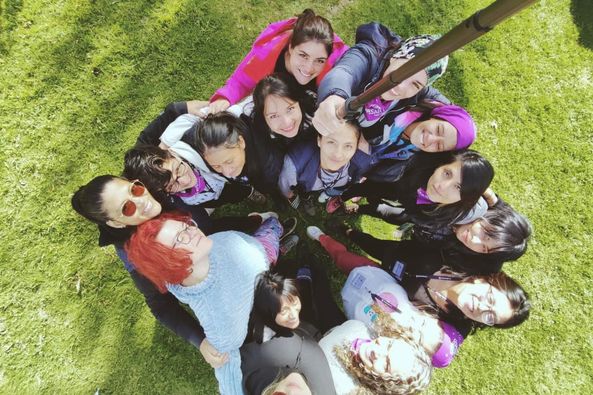
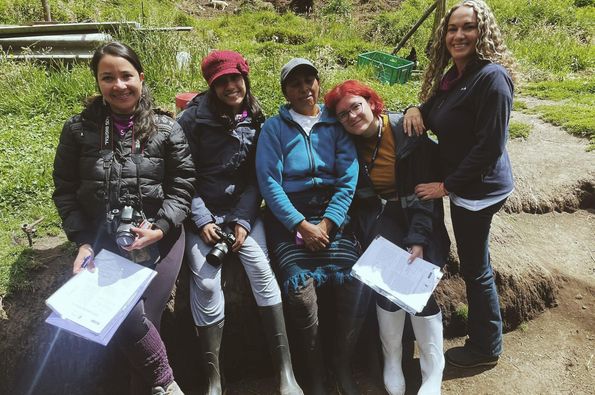
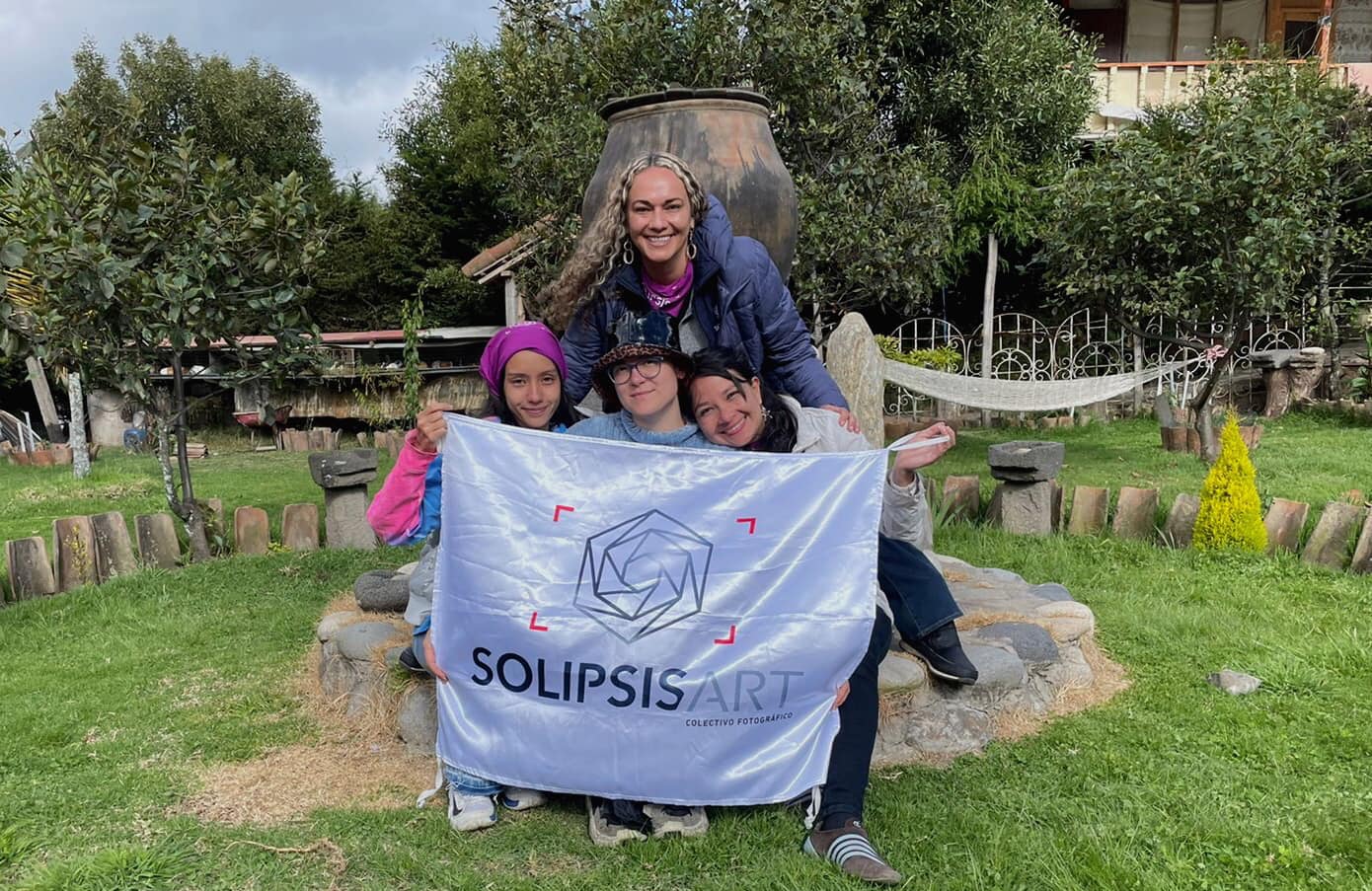
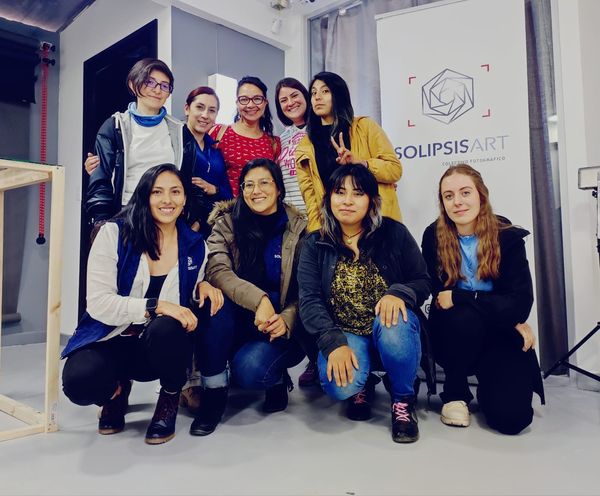
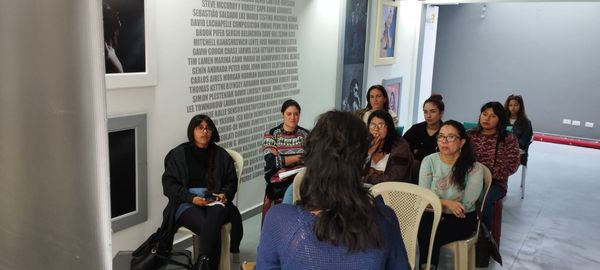
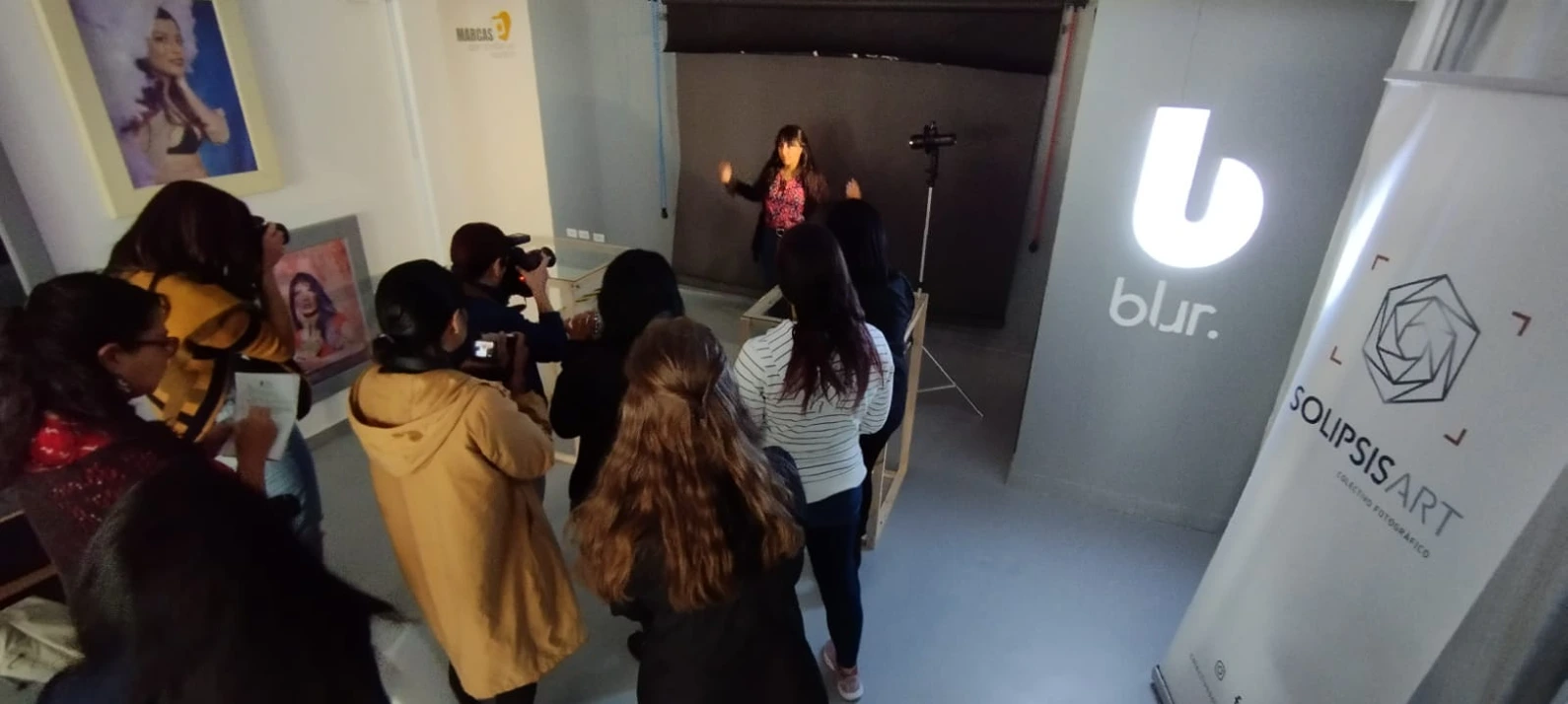
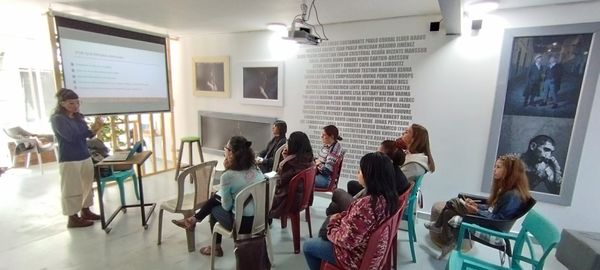
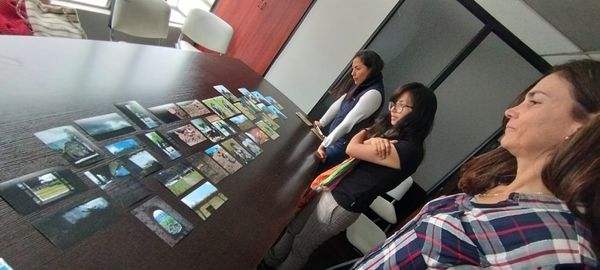
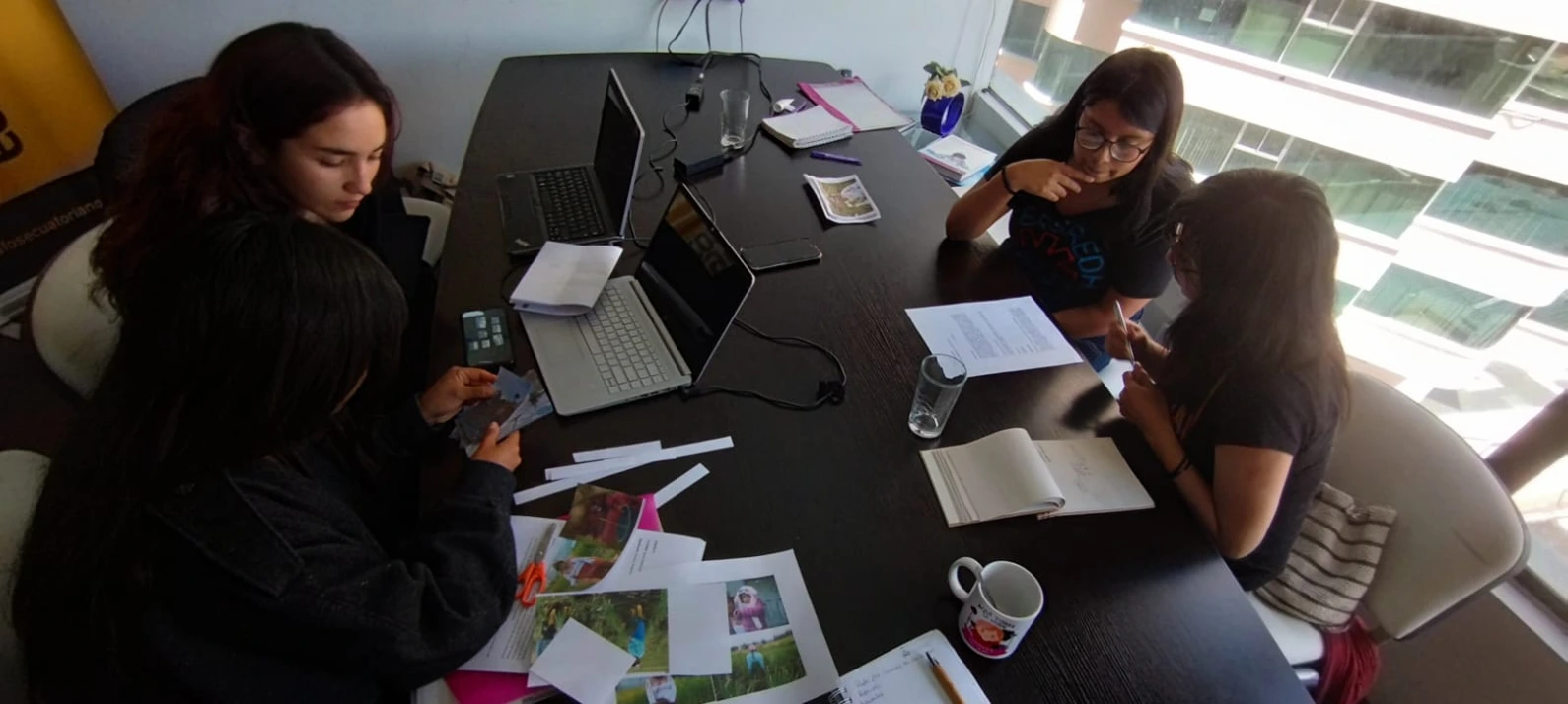
The residency articulates visual arts, especially photography, with territorial dynamics, from the perspectives of gender, environment, memory, and rurality, through the viewpoints of the women in the community. They participate in the construction of joint projects with a group of photographers, generating proposals for development, visibility, research, and understanding of territorial identity, its issues, values, and challenges.
Based on the construction of individual and collective stories, the residency seeks to weave the social, emotional, cultural, political, and economic fabric of a territory. Photo art and visual documentary of particular and collective experiences of women become a transformative tool: it invites reflection and change for those who create it, for those who are subjects of these stories, and for those who receive them, offering an aesthetic proposal that confronts perspectives, dissolves myths, and shares answers.
The "photographic residency" constitutes the core of the process, a five-day experience in the rural parish of Cangahua. The project included 12 resident photographers, 4 tutors, and 3 teachers, supported by a planning and logistics team. Its practical approach prioritized the relationship of the women in the community as co-protagonists of the creative process, which extended for approximately nine months. Following the agenda in the territory (from August 24 to 28, 2022), the phase of follow-up, continuous training, and evaluation of the projects was developed.
The reciprocal return to the community is a fundamental component of the residency and includes spaces for capacity building for the women of the community, the presentation of their stories, a contemporary reflection on the legacy of Mama Dulu, the expansion of ties, and community artistic curation. The first edition of the photographic residency "Dolores Cacuango" was selected as the winner of the competitive public funds from the Institute for the Promotion of Creativity and Innovation (IFCI).
As tangible results of the first edition, the exhibitionSisay Warmi ("Women Who Blossom" in Kichwa) was presented in various spaces:
Ecuador:
Quito: Urban Park Cumandá
Cangahua: Central Park
Guayaquil: Casa de la Cultura del Núcleo Guayas
Antonio Ante: Cultural Complex La Fábrica
Argentina:
Mar del Plata
Additionally, the photobookSisay Warmi (Catarsis Editorial) was published and a testimonial video of the process was made. The residency received media coverage at all stages, from execution to the dissemination of its results, ensuring visibility and reach of the stories of the participating women.
Special thanks to:
Women of Cangahua: Antonella Pérez, Luz Pilca, María Pilca, Mercedes Acero, Rosa Reinoso, María Aurora Ascanta, Esperanza Pinanjota, Hortensia Pinanjota, Inés Guaras, Isabel Coyago, Martina Imbaquingo, Rosa Pinanjota, and Jacqueline Rojas.
Paula Parrini, Pamela Corrales, Viviana Gallo, Naivy Pérez, Álvaro Pérez, Edison Tamayo, Emilio Velasco, Adriana Tamariz, Patricio Ortiz, Diana Boada, Darío Sen Sang, Penélope Egas, Javier Higuera, Pablo Sarabia, and Víctor Martínez.
Institute for the Promotion of Creativity and Innovation, Ministry of Culture and Heritage, Fair Trade Network of Cangahua, Cumandá Urban Park, Catarsis Editorial (Studio593 Editorial and Communication), Photographers in the World, BLUR. Creative Image Space, PCD Art & Design, DANTE Image and Communication, Hotel La Herencia, Cangahua Parish GAD, and Creative media.